1. Local Gastronomy
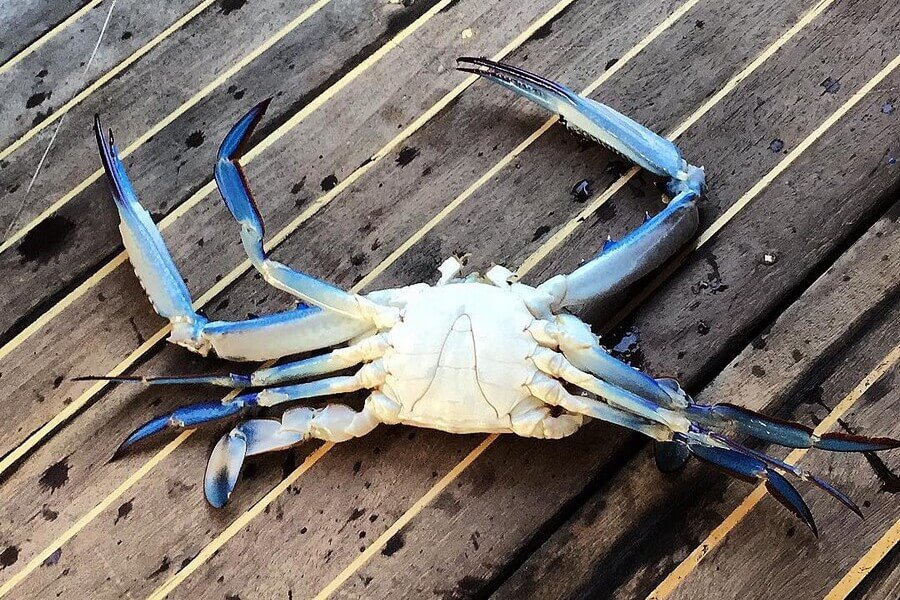
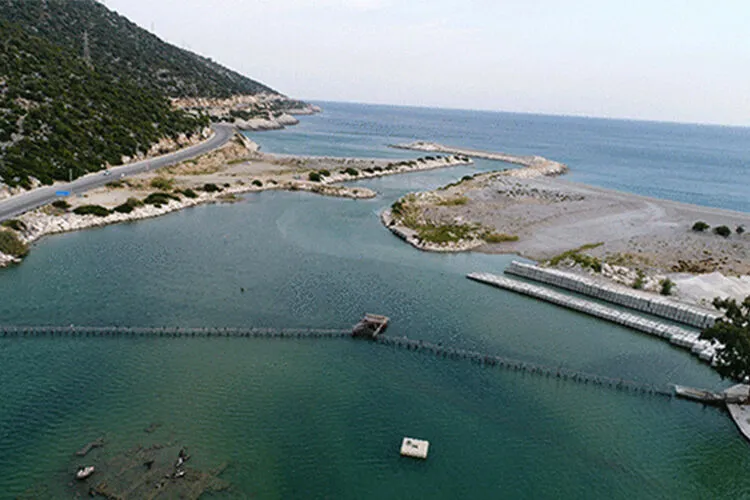
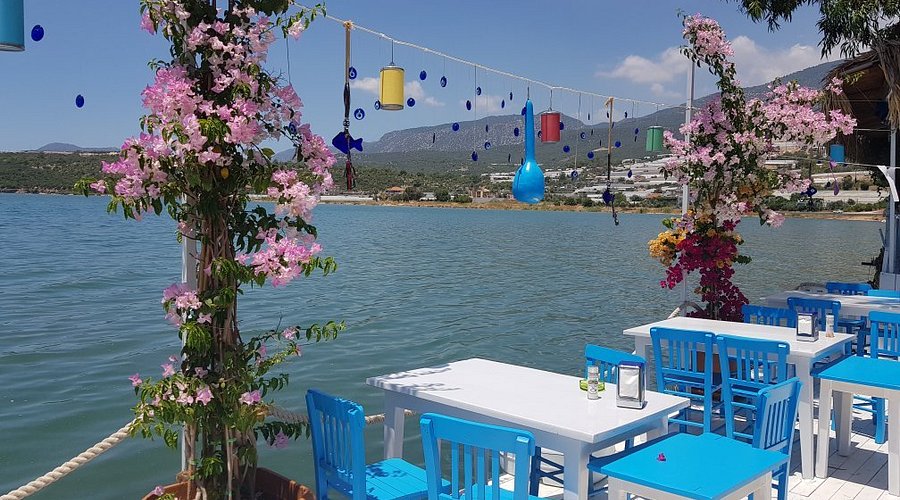
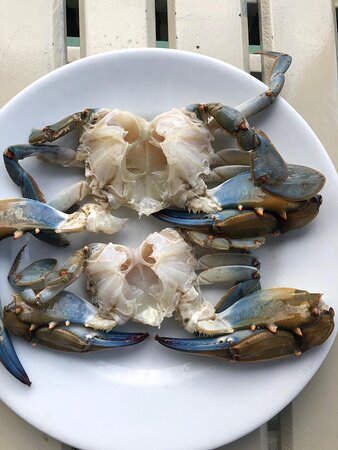
The Demre district of Antalya (especially the Beymelek Lagoon) is one of the most important natural habitats and flavor centers for blue crabs in Turkey. This special lagoon ecosystem, where fresh water meets salt water, offers a perfect environment for blue crabs to grow. Where to Eat Blue Crab in Demre? On the Demre-Finike road and the Beymelek coastline, there are popular restaurants where you can watch Caretta Caretta turtles in the lagoon while you eat. Outstanding places: • Mavi Yengeç Kaya Restaurant: Located by the sea and lagoon in Beymelek, it is one of the most well-known spots in the region. It is usually served grilled as a portion. • Tutku Restaurant: Located on Beymelek Mediterranean Boulevard, it is a family business known for its beach area where you can swim, fresh fried blue crabs, and seafood. • Yüzerköşk Mavi Yengeç Restaurant: Located in İskele Neighborhood, it is another lagoon-side spot preferred for its calm atmosphere and large grilled crabs. How is it Served? In Demre restaurants, blue crab is mostly cooked on wood fire. Usually, there are two crabs in a portion. It is served with special sauces, fresh Mediterranean salads, and cold drinks upon request. The meat is slightly sweet and dense. Hunting Rules and Warning Since the Beymelek Lagoon is a protected area, unauthorized, illegal, or amateur blue crab hunting is strictly prohibited, and heavy fines are applied. Therefore, you should prefer local restaurants that operate professionally and with permits to taste this flavor.
2. Lycian Way Hiking Routes
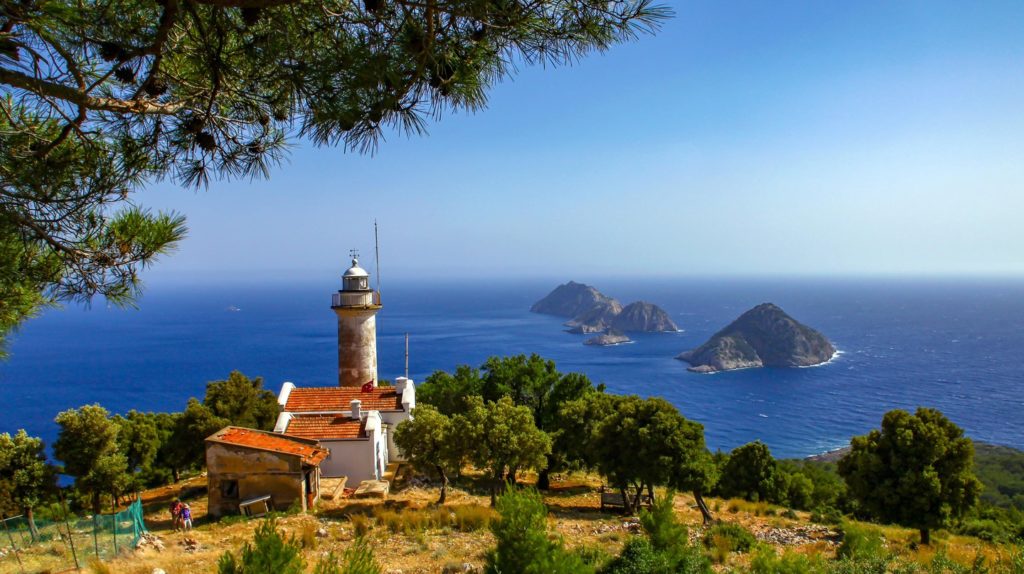
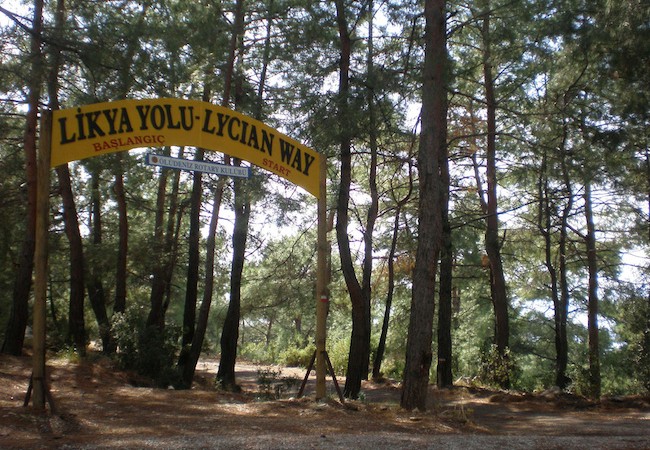
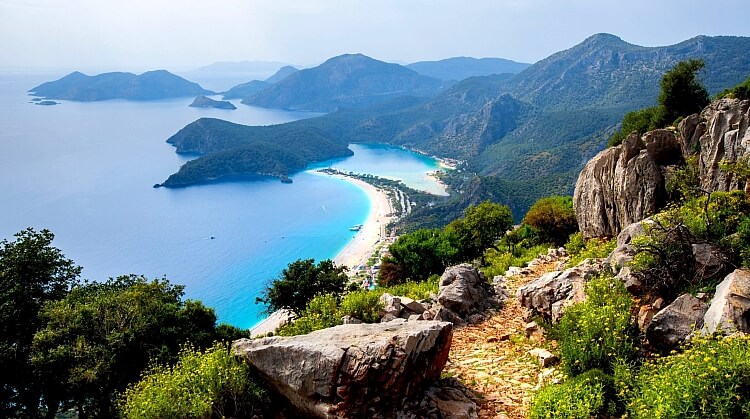
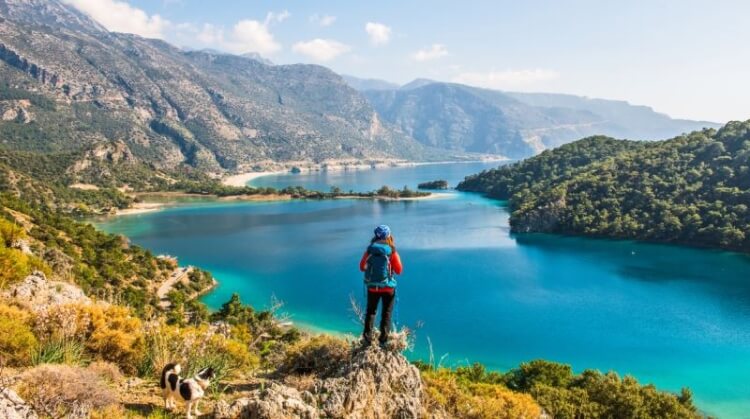
The Lycian Way is one of the world's most prestigious long-distance hiking routes, 555 kilometers long, starting from Fethiye and ending in Antalya Geyikbayırı. For those seeking pure adventure, adrenaline, and high sports performance, the most challenging, steep, and isolated routes of this massive trail, which has more than 30 stages, are as follows: 1. The Most Challenging Altitude Trail: Beycik – Tahtalı Mountain Pass – Yayla Kuzdere Distance: Approximately 15 km | Difficulty Level: Very Advanced (Hardcore Trekking) You start from a point close to sea level and pass through the summit line of Tahtalı Mountain (Olympos) at a height of 2365 meters. There is a continuous altitude gain of over 1000 meters. 2. The Most Isolated and Wild Nature Trail: Demre (Myra) – Alakilise – Finike Distance: Approximately 41 km (Usually divided into 2 days with a heavy backpack) | Difficulty Level: Advanced (Difficult) It is the "wild" stage of the Lycian Way that is most challenging in terms of logistics and physics, where you will be completely away from settlements. There is almost no water source on the route. 3. The Most Technical and Cliffside Coastal Trail: Kabak Bay – Alınca – Gey Village Distance: Approximately 18 km | Difficulty Level: Intermediate - Advanced The path is narrow, scree-filled, and moves directly along the edges of cliffs. Backpack balance must be very well adjusted. Critical Advice for Those Hiking for Adventure and Sports • The Most Ideal Period: Hiking in summer months carries life-threatening risks. The best period is between March - May and September - November. • Water and Navigation: You should always have at least 3-4 liters of water and an offline map with you. • Shoe Choice: Ordinary shoes will fall apart. Ankle-supported, hard-soled trekking boots are mandatory.
3. Çayağzı Beach
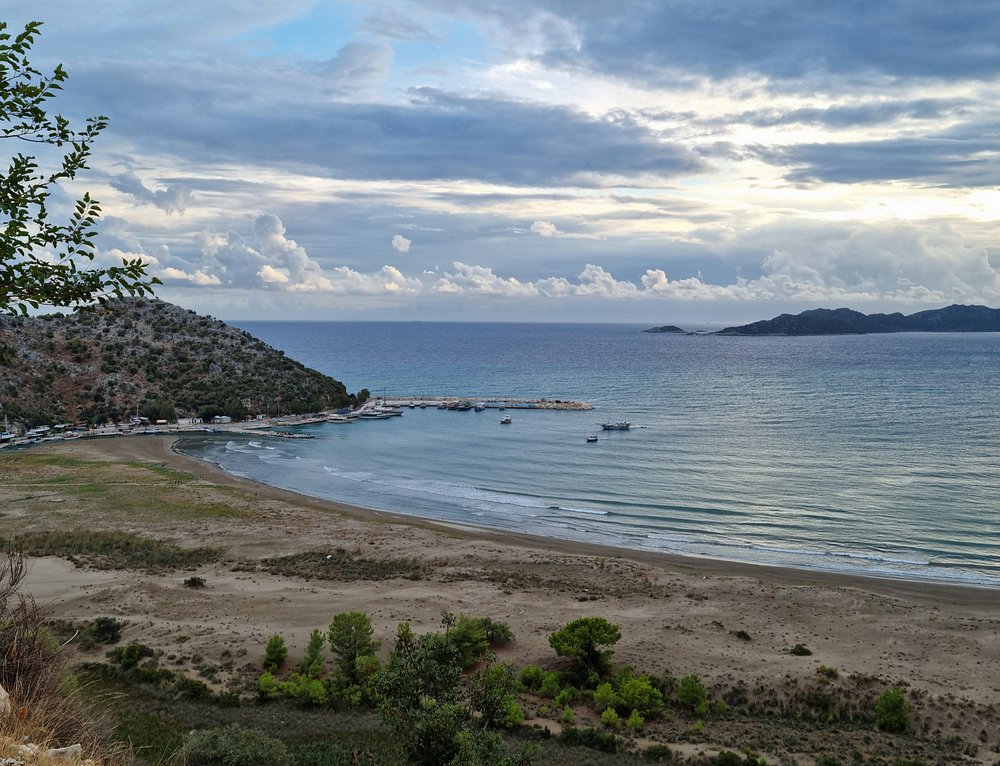
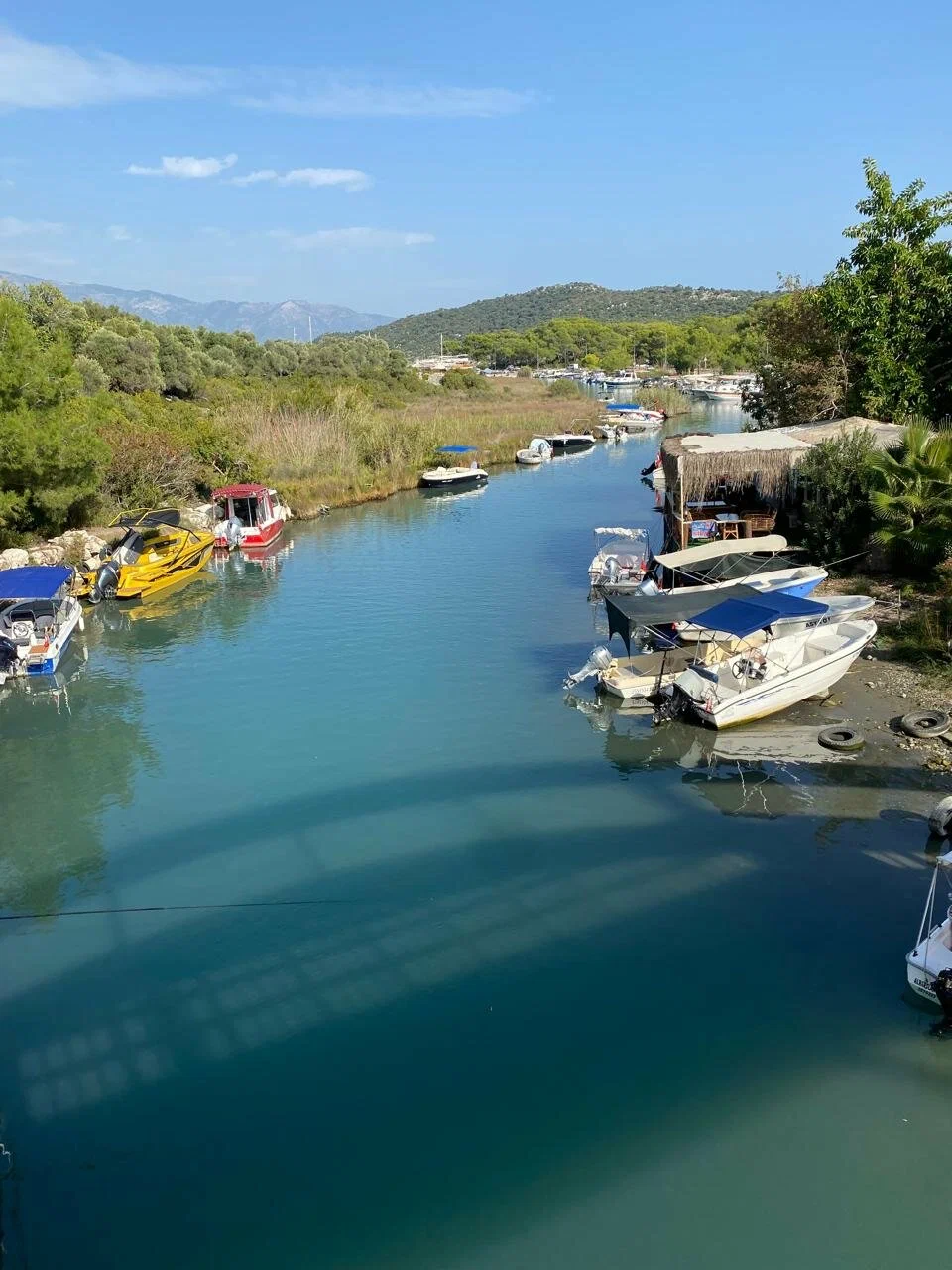
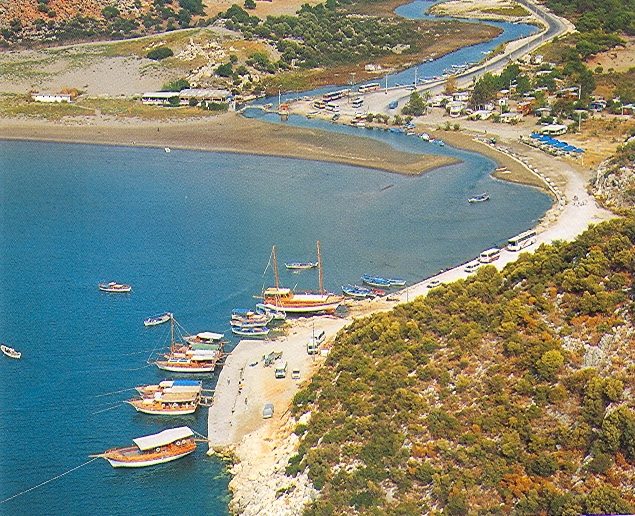
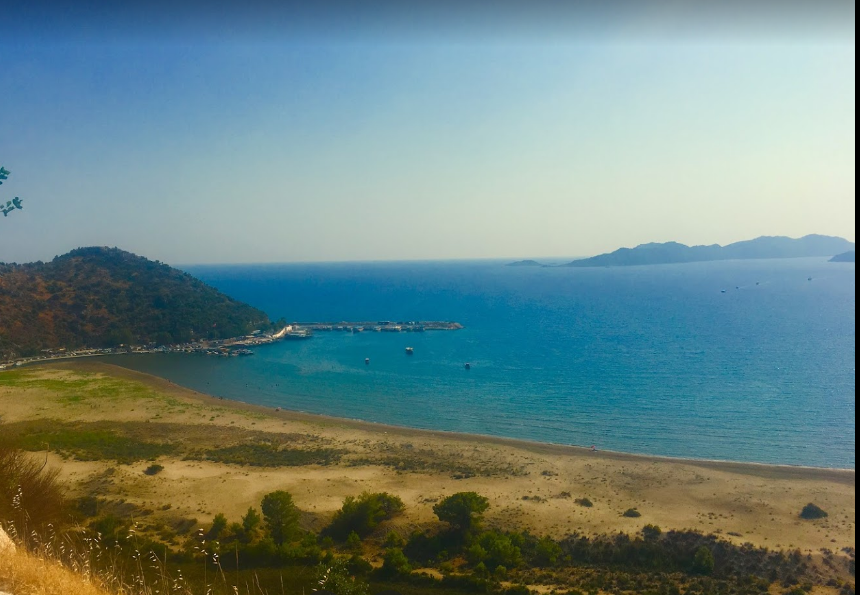
Çayağzı Beach is a special, completely pristine, and protected coastline in the Demre district of Antalya that stands out with both its nature and strategic location. Outstanding Features • Ice-Cold Spring Water: Since the cold fresh waters of Demre Creek meet the sea here, the surface of the water is warm while the bottom is quite cool. • Shallow and Fine Sand: It is very safe for families with children as the sea is quite shallow and gets deep slowly. • Natural Habitat: It is one of the important spawning grounds of Caretta Caretta sea turtles. Facility and Infrastructure Status (Important Warnings) There is no modern beach establishment, sunbed, or umbrella rental service on the coastline. Showers, toilets, or changing cabins are not available. There is no natural shaded area; you must bring an umbrella with you.
4. Taşdibi Beach
1. Pebble Section: Taşdibi Beach (East Side) The beach and the seabed consist entirely of small/medium-sized colorful pebbles. The sea level gets deep very quickly. Since the giant rocky hill behind it cuts the wind, it is flat and waveless like a pool here. It is perfect for those who love snorkeling. 2. Sandy Section: Sülüklü Beach (West / Middle Side) The beach and the seabed consist entirely of fine, soft sand. The sea is quite shallow and gets deep slowly. It is ideal for families with children and those who are newly learning to swim. Facility and Amenity Comparison • Pebble Section (Taşdibi): There are social facilities of the municipality, sunbed/umbrella rental areas, cafes, shower-toilet facilities. • Sandy Section (Sülüklü): It is quieter and more pristine. There are large empty spaces where you can lay your towel and sit for free.
5. Beymelek Coast
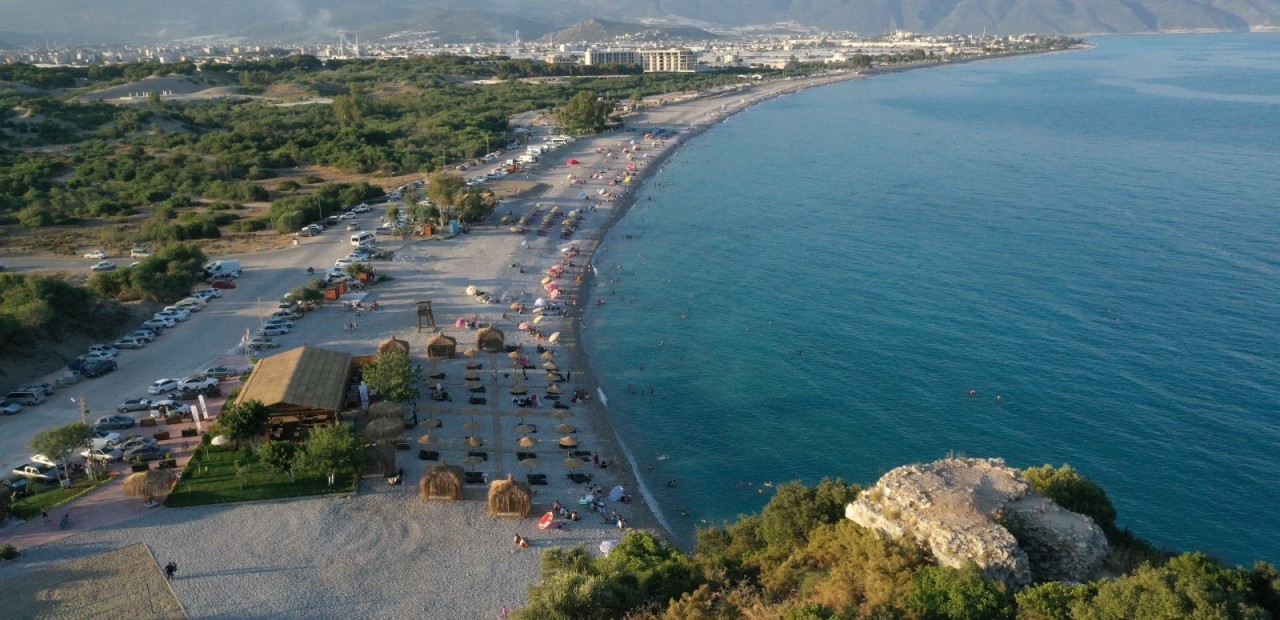
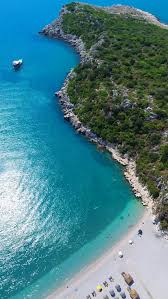
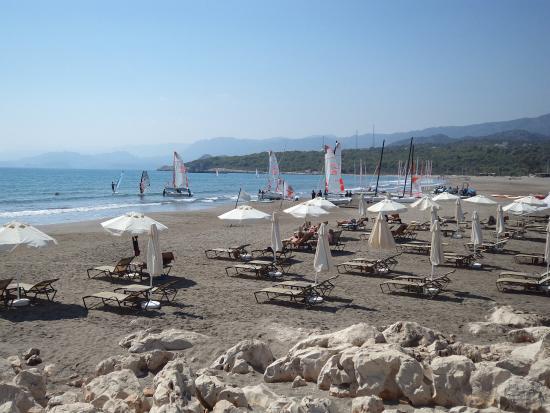
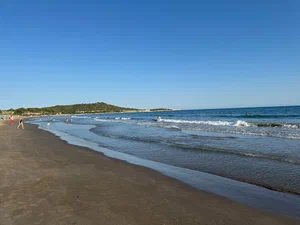
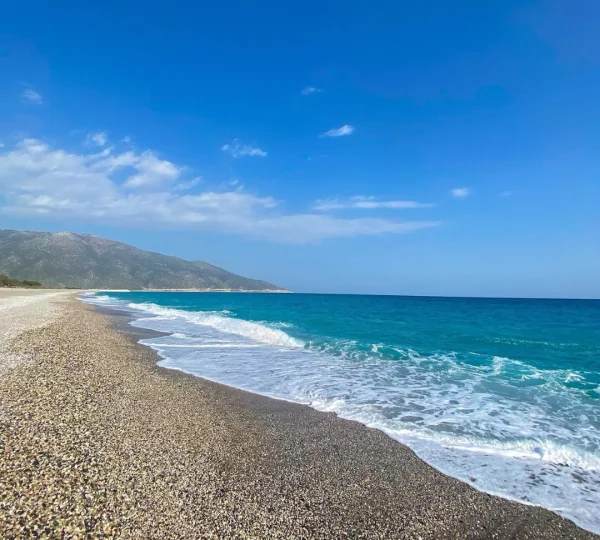
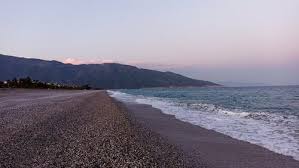
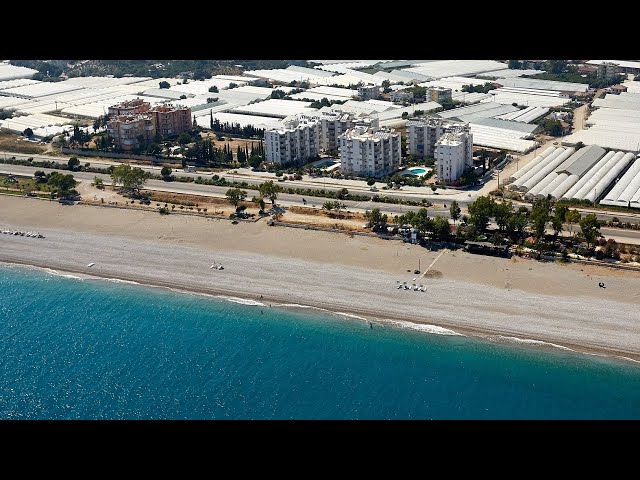
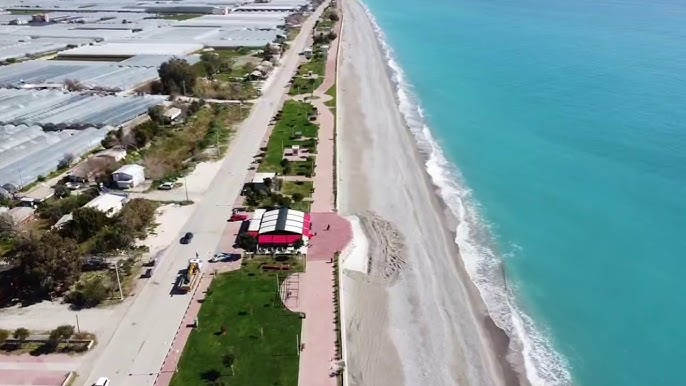
It is a thin and endless strip of land between the Finike and Demre districts that separates the Beymelek Lagoon from the Mediterranean. Having a length of approximately 18 kilometers, this coast is known for its completely natural and pristine structure. Structure of the Coast and Sea The coastline generally consists of a mixture of large and small pebbles and sand. It faces the open sea directly; therefore, it has a sea that deepens quickly and is quite wavy. The seawater is much saltier compared to other beaches in Demre. Social Amenities and Facility Status There are no private beach establishments, sunbeds, or umbrella rental points in most of the coastline. Due to its wide, flat, and calm structure, it is the place most preferred by nature lovers for free caravan and tent camping.
6. Demre Bird Sanctuary and Nature Observation
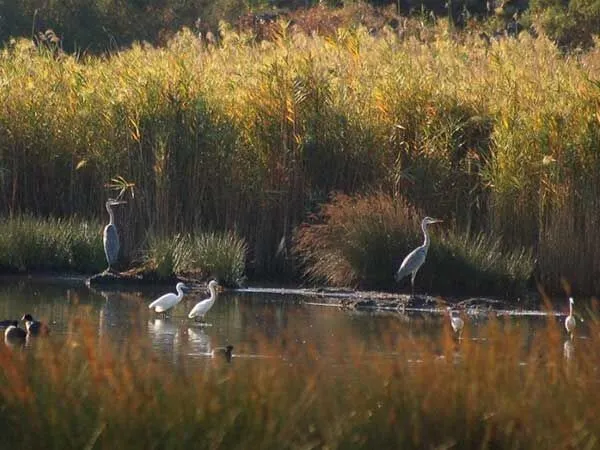
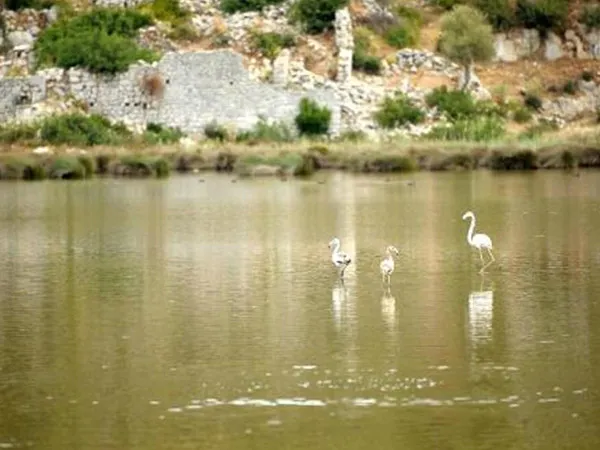
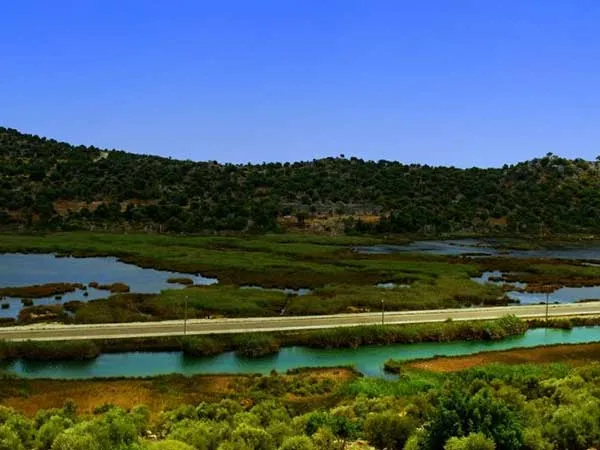
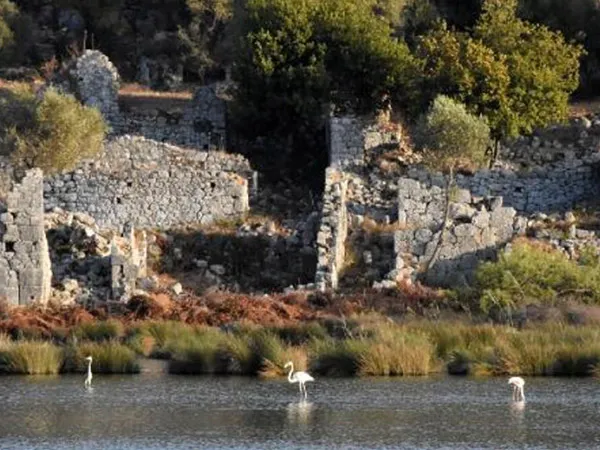
Demre Bird Sanctuary (also known as Santa Claus Bird Sanctuary) is one of the most valuable wetland ecosystems of the Mediterranean for nature observation and birdwatching enthusiasts. Outstanding Features It covers a vast wetland ecosystem of approximately 1000 hectares. 149 different bird species have been recorded in the region at different times of the year. The water sources in the area have a constant temperature of around 13-14°C and a sulfuric structure. Since this special water structure does not freeze even in winter, it offers an ideal feeding and shelter area for birds. Main Bird Species You Can Observe • Colorful Visuals: Flamingos, Pelicans. • Swimmers and Hunters: Cormorants, Wild Ducks, Coots. • Reed Dwellers: Grey and White Herons, Seagulls, Peacocks. Tips for Visitors for Nature Observation Entry is completely free. There are wooden walking paths and specially designed birdwatching towers along the area. The best times are early in the morning, when birds are most active, and times close to sunset.
7. Nightlife and Kaş Trip
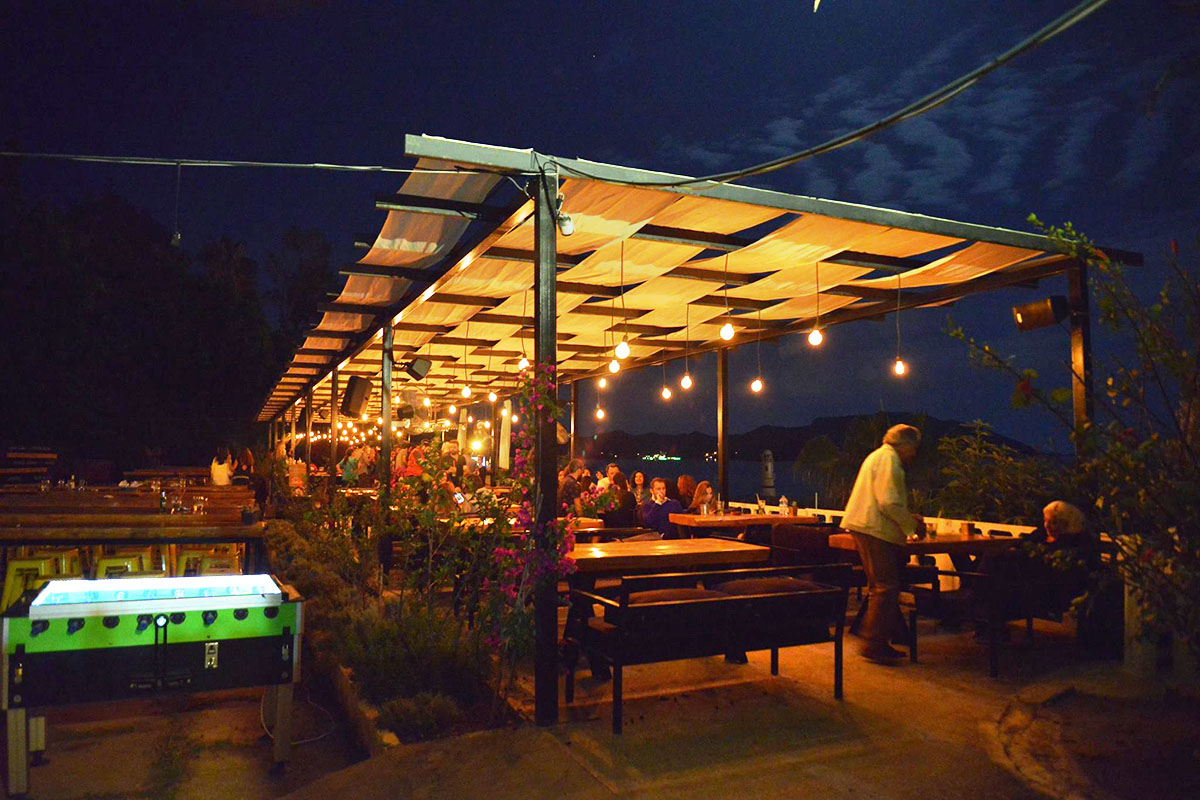
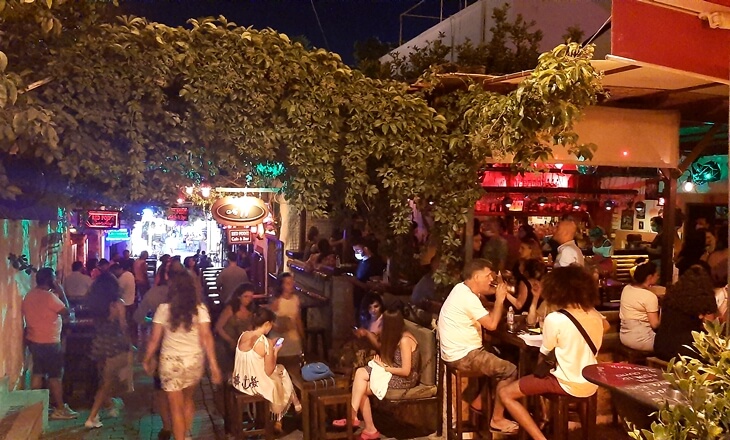
Demre Nightlife: Calmness and Nature Demre is not an entertainment center with large nightclubs or lively bars. The nightlife here is more focused on calmness, nature, and flavor. You can have long, calm, and pleasant dinners in lagoon-side restaurants or beach cafes. Kaş Trip: Transition from Demre to Kaş The distance between Demre and Kaş is approximately 45 kilometers and takes 45-50 minutes by car. Along the way, one of the most beautiful winding coastal views in the world accompanies you. Unlike the calm Demre nights, Kaş is a full entertainment center. Daily Kaş Trip Route • Daytime: Take a break at the world-famous Kaputaş Beach on the way. Visit the Ancient Theater in the center of Kaş and walk through the streets of Uzun Çarşı. • Night: The streets of Kaş come alive after dark. You can have fun until the late hours of the night in popular places like Echo Bar, HiJazz, and No:11. Logistic Tip: Driving under the influence of alcohol can be risky; you can use western Antalya minibusses or make a stay plan in the center of Kaş.